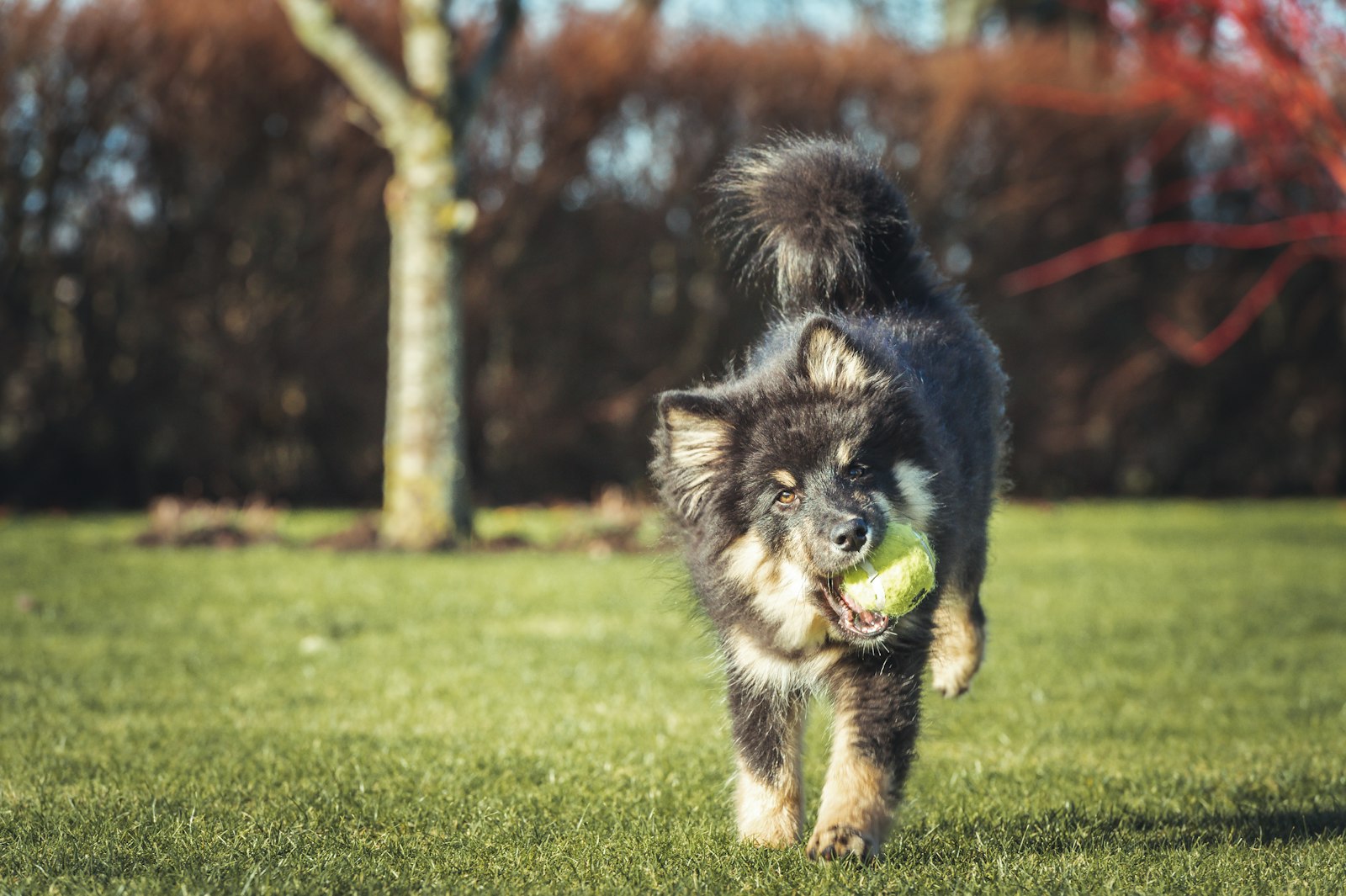
Dog Training in Milpitas: How to Choose the Right Help for Your Dog
If you're looking for dog training in Milpitas, you're probably trying to fix a real problem, not just check a box. Maybe your puppy turns into a tiny whirlwind every evening. Maybe your adolescent dog pulls so hard on walks that going outside no longer feels fun. Or maybe your adult dog is easy at home but falls apart around other dogs, new people, or busy environments.
That is where a lot of owners get stuck. "Dog training" sounds like one thing, but it can mean very different kinds of help. Puppy training, basic manners, leash work, confidence building, and behavior support are not the same service. The best fit usually depends on your dog's age, temperament, daily routine, and the specific issue you want to improve.
That matters in Milpitas, where dogs may need to handle quiet residential streets, apartment living, neighborhood parks, shopping areas, and busier South Bay distractions. A dog that listens nicely in the living room may struggle once the environment gets louder and more stimulating. Good training helps close that gap.
Dog training is not one-size-fits-all
One of the most common mistakes owners make is assuming every training program does roughly the same job. It doesn't.
A young puppy usually needs help with foundations: handling, house routines, crate comfort, name response, early focus, and learning how to settle. At that stage, training is often less about polished obedience and more about building good habits before the chaotic ones take over.
Adolescent dogs are a different challenge. Teenage dogs are often impulsive, distractible, and inconsistent. Owners may feel like the dog knew a skill last month and suddenly forgot it. In many cases, the dog is not being stubborn. The dog is struggling with arousal, distractions, and immature self-control. Training often needs to move beyond the house and into real-life practice.
Adult dogs can fall anywhere on the spectrum. Some simply missed basic skills like loose-leash walking or polite greetings. Others need more careful support for fear, reactivity, frustration, or difficulty settling in stimulating places. Those cases usually call for a more tailored plan.
When all of these situations get treated the same way, owners often end up with the wrong format, the wrong expectations, or both.
Start with the actual problem
Before you choose a class or trainer, it helps to get specific about what is really hard.
Many owners say they want a "well-trained dog," but that goal is too broad to guide a good decision. It is more useful to ask what is happening day to day. Is your dog pulling on walks? Jumping on guests? Barking at dogs across the street? Losing control at the front door? Struggling with handling or grooming? Unable to settle at home?
Different problems need different kinds of support. A mouthy puppy who cannot calm down may benefit from a structured puppy class plus coaching on sleep, routine, enrichment, and handling. A social adolescent dog who drags their owner down the sidewalk may need leash-skills practice outdoors, not just cue work in the kitchen. A dog that barks and lunges around triggers may need slower, more specialized behavior support than a standard manners class can offer.
The clearer the problem is, the easier it is to choose training that actually fits.
Group classes vs. private training
Many Milpitas dog owners end up deciding between group classes and private sessions. Both can be useful, but they solve different problems.
Group classes are often a good fit for puppies, beginner manners, and dogs that can stay functional around mild to moderate distractions. A solid class gives owners structure, repetition, and a chance to practice around other dogs and people in a controlled setting. For some dogs, that is exactly what helps skills start to hold up outside the home.
Private training is often a better choice when the issue is more intense, more personal, or tied to a specific context. If your dog melts down at the front door, panics around guests, explodes at the window, or becomes difficult on neighborhood walks, private sessions may be more useful because the work can be customized and paced more carefully.
Sometimes the best answer is both. A private session can help you build the right plan, and a group class can come later once your dog is ready for that level of challenge.
The goal is not to choose the option that sounds most impressive. It is to choose the one that matches your dog's current needs.
What good dog training should include
Whatever format you choose, good dog training should be more than running through a list of cues.
It should be clear. You should understand what your dog is learning, why it matters, and how to practice between sessions.
It should be realistic. Dogs do not learn in perfect conditions, and owners do not live in perfect conditions either. Good training accounts for distractions, routine hiccups, timing mistakes, and environments that are still too hard for the dog.
It should include owner coaching. Even the best trainer only sees a small slice of your week. Long-term progress usually depends on whether the owner can read the dog better, set up practice well, and stay consistent.
It should also respect the dog in front of you. A confident, food-motivated puppy may move quickly. A nervous adult dog may need a slower pace. An easily frustrated adolescent may need shorter sessions and simpler wins. Training tends to work better when the plan matches the dog's emotional state, not just the owner's timeline.
Why Milpitas matters
Training advice often sounds simple until you try to use it in real life. That is one reason local context matters.
In Milpitas, dogs may move between quiet residential blocks, townhouse communities, apartment complexes, neighborhood green spaces, and busier sidewalks or shopping areas. Some owners also want a dog that can handle outings in places like Ed R. Levin County Park or other active South Bay environments without becoming overwhelmed.
That does not mean every dog needs to be comfortable everywhere. It does mean training should account for the environments your dog actually has to navigate. A sit in the kitchen is not the same skill as a sit near traffic, bikes, other dogs, children, and a hundred competing smells.
Good training helps owners see that difference and work through it gradually.
Progress is usually slower than people expect
A lot of frustration in dog training comes from expecting fast, steady improvement. Sometimes it happens that way. Often it doesn't.
Learning is rarely linear, especially once you leave the house. Many dogs look solid in low-distraction settings, then seem to forget everything outdoors. That usually does not mean the dog is refusing to listen. It means the skill is not yet strong enough for that level of difficulty.
This shows up all the time with leash walking, recall, polite greetings, and behavior around triggers. A few successful reps do not always mean the dog fully knows the skill. It may just mean the setup was easy that day.
The training that holds up often looks less flashy than people expect. It may involve short sessions, simpler setups, repeated practice, and slower increases in difficulty. That is not a sign the process is failing. It is often what makes the progress stick.
What dog training may cost in Milpitas
Cost is part of the decision, and prices around Milpitas can vary quite a bit depending on the format, the trainer's experience, and the kind of issue being addressed.
Group classes are often the more budget-friendly option and may cost a few hundred dollars for a multi-week course. Private sessions usually cost more, especially when the trainer is traveling to the home or working on behavior issues. More specialized help can cost more still, depending on how much follow-up and customization is included.
The cheapest option is not always the best value, and the most expensive option is not automatically the best fit. A better question is whether the training gives you a clear plan, useful support, and skills you can keep using after the formal sessions are over.
How to choose the right help for your dog
For many owners, the biggest shift is realizing the goal is not to find the single "best dog trainer" in the abstract. The goal is to find the right kind of help for your dog, your routine, and the problem you are living with right now.
If you have a young puppy, you may need prevention, structure, and social exposure. If you have a chaotic adolescent, you may need better coaching and more practice in distracting environments. If you have an adult dog dealing with fear, overarousal, or leash reactivity, you may need a slower and more individualized plan.
That is what makes dog training in Milpitas worth approaching thoughtfully. The right support can make walks calmer, outings easier, and life at home less stressful. Not because your dog becomes perfect, but because the training finally matches the actual problem.
For most owners, that is what success really looks like: clearer communication, steadier behavior, and a dog that is easier to guide through everyday life.